If you are asking "do I have a case," you are already doing the right thing: checking before a deadline passes. This short quiz is for people in California affected by a wildfire, chemical release or warehouse fire, by sexual abuse or assault, by police misconduct or a death in custody, or by a car that keeps going back to the shop.
The quiz cannot tell you whether you have a case. Only a lawyer who has heard the facts can do that. What it can do is show you the kind of claim it may be, the one deadline you should not miss, and where to read more. Then a free case evaluation with a lawyer can take it from there.
How a free case review works
When you send the form at the bottom of this page or call (310) 853-3461, a lawyer reads what you wrote, not a call center. We call back within one business day, in English or Spanish. In the first conversation, we ask what happened, when, who was involved, and what you have already done, such as filing a claim or talking to an insurance company.
By the end of that call, we will tell you one of three things: that it looks like a case we can take, that we need a few documents before we can say, or that it is not a case we can help with. If it is not, we will try to tell you why and, where we can, who might help. Either way, we will tell you about any deadline we see, because that is the one thing that cannot wait.
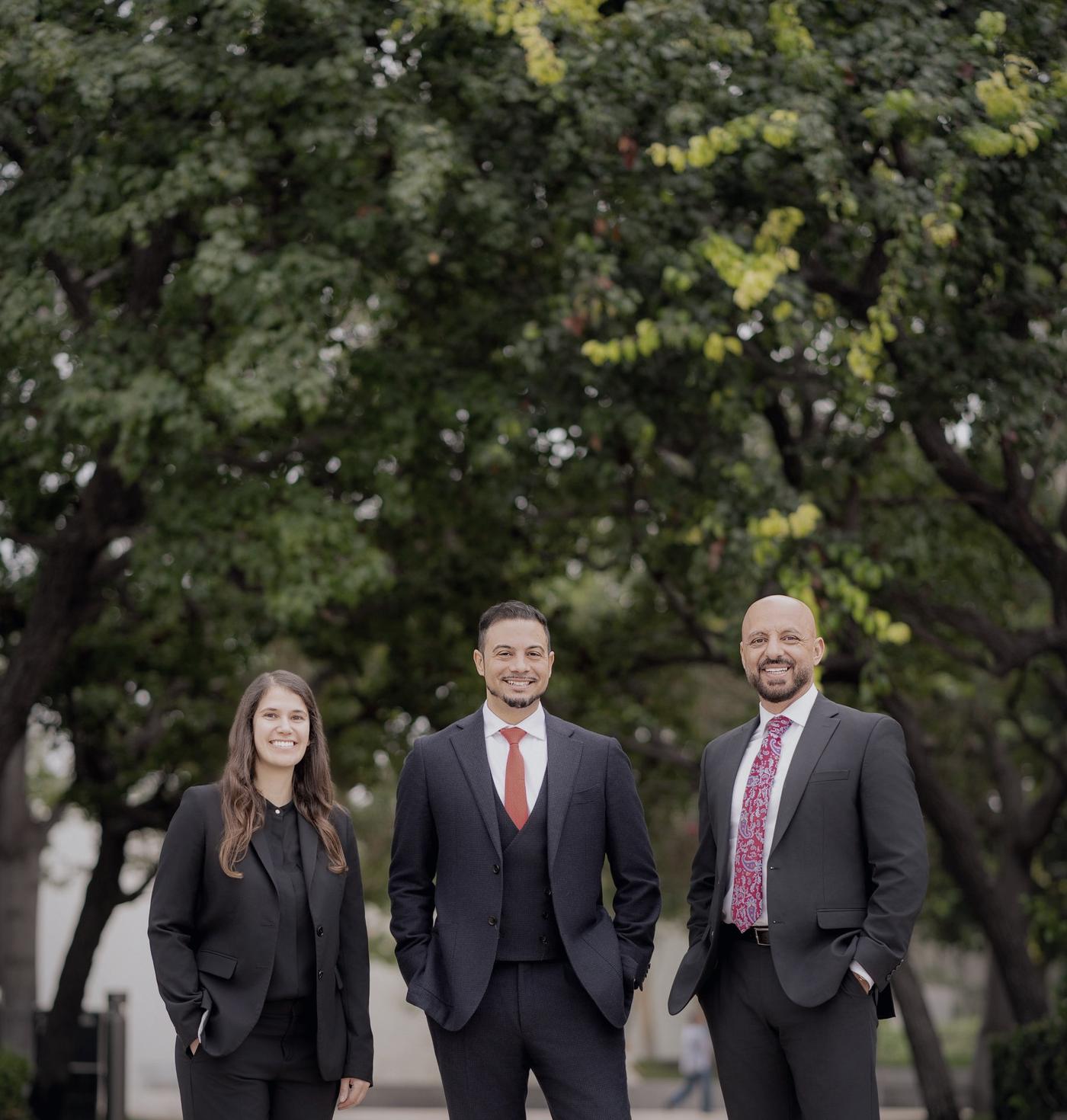
If we take the case, we explain the agreement in plain language before you sign anything, and a partner stays involved from start to finish. Jonathan P. LaCour, founding partner and lead trial counsel, reviews every case personally.
What to have ready
You do not need anything to start. If you have them, these help us give you a faster, clearer answer:
- Dates. When it happened, when you first saw a doctor or a mechanic, and the date of any death. If you are not sure, the closest you can remember is fine.
- Names. The agency, company, school, employer or dealer involved, and any officers, staff or witnesses you know of.
- Paper and photos. Letters, claim forms, insurance documents, offers, medical records, coroner or police reports, repair orders, and photos or videos. Do not throw anything away.
- Anything you were asked to sign. Especially a release or a compensation-program form. Please do not sign it until a lawyer has read it.
For a disaster, add your address at the time and a rough list of what was lost. For a lemon law case, bring the purchase or lease contract and every repair order. For a death in custody, bring any letters from the county, the coroner or a medical contractor.
Is it confidential?
Yes. What you tell us in a case review is kept confidential, and we do not share it with the people you are describing. Sending the form does not by itself make us your lawyers, so please keep the first message short and save the details for the call. For sexual abuse and assault, you choose what to share and when. Many survivors file as Jane or John Doe so their name does not appear in public court records. This quiz runs entirely in your browser, and your answers are not saved or sent anywhere.
What does it cost?
The review is free. If we take your case, we work on a contingency fee: no fee unless there is a recovery. The percentage and how case costs are handled are written into the agreement, and we go over it with you before you sign. In lemon law cases, California's Song-Beverly Act generally requires the manufacturer to pay your attorney's fees and costs when you win (Civil Code § 1794), so the fee does not come out of your buyback.
Why deadlines decide so many cases
Most people who lose a good case lose it by waiting. A claim against a California city, county or the State is generally due within six months (Government Code § 911.2). Many injury claims have two years, and the adult sexual assault revival window under AB 2777 closes on December 31, 2026. Our six-month claim deadline calculator shows how the government claim date is counted. If the quiz above flagged a deadline as urgent, please call today rather than waiting for paperwork.
Frequently asked questions
How do I know if I have a case?
A lawyer has to hear the facts: what happened, who was responsible, what harm it caused, and whether a deadline has passed. This quiz can point you in the right direction, but a free case evaluation is the only way to know. It usually takes one short phone call.
Is a free case evaluation really free?
Yes. There is no charge for the review, and you are not committing to anything by talking to us. If we take your case, we work on contingency, which means no fee unless there is a recovery.
What if I am not sure what kind of case I have?
That is common. Choose "Not sure" on the form and tell us what happened in your own words. A lawyer will sort out which laws may apply and which deadlines matter.
Can I talk to a lawyer in Spanish?
Yes. We have Spanish-speaking lawyers, and intake is in English and Spanish at every office. Check the Spanish box on the form, or call or text (310) 853-3461 and ask to speak in Spanish.
Do I have to live near one of your offices?
No. We have seven offices, from Pasadena to Fresno, and we take cases throughout California. Most of the early work happens by phone and video, and we can meet you in person when it helps.
Sources
- California Legislative Information, Government Code § 911.2, accessed October 2026
- California Legislative Information, Government Code § 911.4, accessed October 2026
- California Legislative Information, Government Code § 905, accessed October 2026
- Justia, California Code of Civil Procedure § 335.1
- California Legislative Information, Code of Civil Procedure § 338, accessed October 2026
- California Legislative Information, Code of Civil Procedure § 340.1 (childhood sexual assault), accessed October 2026
- Justia, California Code of Civil Procedure § 340.16 (adult sexual assault; AB 2777 revival through December 31, 2026)
- California Legislative Information, AB 250 (2025), sexual assault claims against entities that covered up prior assaults
- California Legislative Information, Civil Code § 1793.22 (Tanner Consumer Protection Act presumption), accessed October 2026
- California Legislative Information, Civil Code § 1794 (damages, attorney's fees and costs), accessed October 2026
- California Legislative Information, Commercial Code § 2725 (four-year limit for breach of warranty), accessed October 2026
- Cornell LII, 28 U.S.C. § 2401 (Federal Tort Claims Act, two-year claim)
This guide is general information about California and federal law and about public records as of its date. It is not legal advice, and reading it or contacting us does not create an attorney–client relationship. Allegations in lawsuits are claims, not findings. Prior results do not guarantee a similar outcome. Attorney advertising.