Many people put off calling a lawyer about a defective car because they assume they cannot afford one. For most California lemon law claims, that worry is misplaced. Lemon law attorney fees in California are usually paid by the manufacturer, not the driver, when the driver wins or settles. That rule is written into the Song-Beverly Consumer Warranty Act, and it is the reason lawyers can take these cases without charging the client by the hour.
This guide explains how the fee-shifting rule works, what a contingency agreement means in a lemon case, which costs could ever land on you, how disputes over fees get resolved, and what the 2025 changes did. It is general information about California law as of October 2026. Your own fee agreement controls your case, so read it and ask questions before you sign.
The rule: Civil Code § 1794(d)
The key sentence is in Civil Code § 1794(d). If the buyer prevails in an action under the section, the buyer "shall be allowed by the court to recover as part of the judgment" the costs and expenses, "including attorney's fees based on actual time expended, determined by the court to have been reasonably incurred" in bringing and pursuing the case.
Three things in that sentence matter:
- "Shall." A prevailing buyer is entitled to reasonable fees. It is not a favor the judge may or may not grant.
- "Actual time expended." Fees are based on the lawyer's hours reasonably spent, not on a percentage of what you recover.
- "Reasonably incurred." The court checks the hours and rates and can cut time it finds unnecessary.
The fee rule works in one direction. It lets a prevailing buyer recover fees from the manufacturer. It does not say a buyer who loses must pay the manufacturer's lawyers.
Section 1794(e)(1) repeats the point for the most common lemon claim: if the buyer proves a violation of the repurchase-or-replace duty in § 1793.2(d)(2), the buyer "shall recover damages and reasonable attorney's fees and costs," and may recover a civil penalty of up to two times damages.
Why most drivers pay nothing out of pocket
Because the manufacturer pays fees when the buyer wins, lemon law firms commonly take cases on contingency: no fee unless there is a recovery, and the firm looks to the manufacturer for its fees and costs. Most cases end in a settlement rather than a trial, and in a typical lemon law settlement the manufacturer agrees to pay the buyer's fees and costs on top of the buyback or other payment, or the amount is set by the court on a motion.
That is why the repurchase money in a lemon settlement can go to you and your lender, rather than being split with your lawyer. It is also why a lawyer may be willing to take a case where the vehicle's price is modest.
Federal law works the same way for many warranty claims. The Magnuson-Moss Warranty Act, 15 U.S.C. § 2310(d)(2), lets a consumer who finally prevails recover costs and expenses, including attorney's fees based on actual time expended, unless the court finds an award inappropriate. That matters most for used cars, where the state buyback remedy is now narrower; see used car lemon law in California.
What a lemon law fee agreement should tell you
California requires contingency fee agreements to be in writing and signed by both lawyer and client (Business and Professions Code § 6147). Before you sign one in a lemon case, look for clear answers to these questions:
- Do I ever pay a fee from my own recovery? Many agreements say the lawyer will be paid only from fees the manufacturer pays. Some say the lawyer may take a percentage if the manufacturer's fee payment falls short, or may take the greater of a percentage or the statutory fee. Know which one you are signing.
- Who advances costs, such as filing fees, deposition transcripts and expert inspections, and are they reimbursed only from the manufacturer?
- What happens if I lose, or if I turn down a settlement my lawyer recommends?
- What happens if I accept a cash-and-keep offer rather than a buyback?
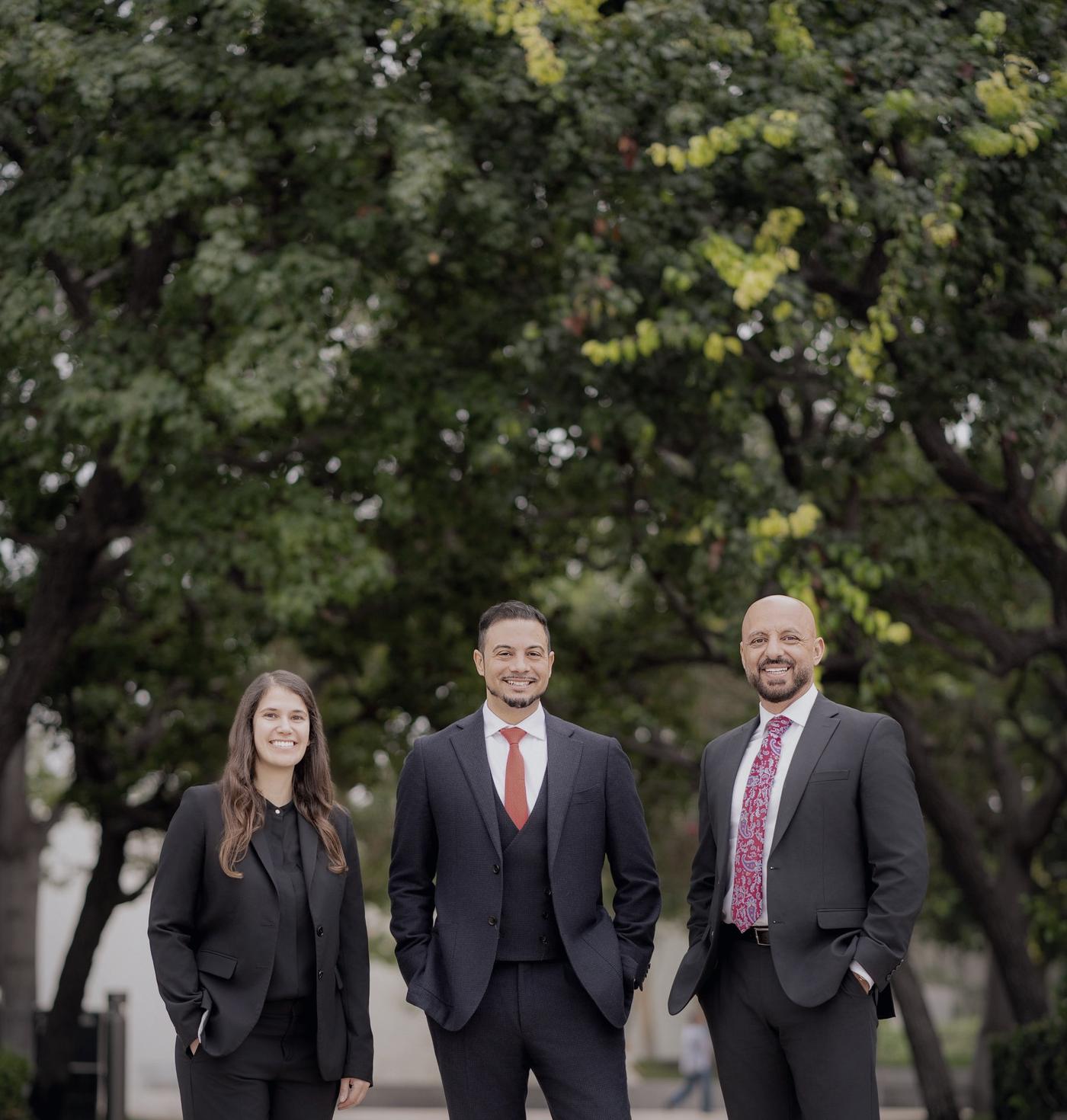
LaCour handles lemon law cases on contingency: there is no fee unless there is a recovery, and we seek our fees and costs from the manufacturer under § 1794(d). Your written agreement spells out every term before you sign, in English or Spanish.
Costs: the part people overlook
"Costs" are different from attorney's fees. They include court filing fees, service of papers, deposition and transcript charges, and expert or inspection fees. Section 1794(d) lets a prevailing buyer recover "costs and expenses" too.
The risk for a buyer comes from two general rules of California civil procedure:
- Ordinary costs to the winner. Under Code of Civil Procedure § 1032, a prevailing party is generally entitled to recover its costs. If a buyer loses at trial, the manufacturer may ask for its ordinary court costs. This does not include its attorney's fees.
- Section 998 offers. Under Code of Civil Procedure § 998, a defendant can serve a formal settlement offer. If the buyer rejects it and then does not do better at trial, the buyer cannot recover costs incurred after the offer, must pay the defendant's post-offer costs, and may be ordered to pay a reasonable amount toward the defendant's expert witness costs. Those costs are deducted from any damages awarded.
This is why a formal settlement offer deserves careful attention, and why your lawyer should tell you about each one promptly and explain it. Manufacturers use these offers often in lemon cases. Turning one down is your decision, but it should be an informed one.
How fee disputes work
Fees are often the last issue in a lemon case. A manufacturer may agree to a buyback but dispute how much it owes the buyer's lawyers. There are three main ways that gets resolved:
- Agreement. The parties agree on a fee figure as part of the settlement.
- A fee motion in court. If a lawsuit is on file, the settlement can let the court decide reasonable fees on a noticed motion. The judge reviews the lawyers' billing records, the hourly rates, the results and the work the case required. California courts generally start with the "lodestar," the reasonable hours multiplied by a reasonable hourly rate, and can reduce it for unnecessary work or, in some cases, adjust it for other factors.
- Arbitration before suit, for opted-in manufacturers. Under the 2025 procedures, a prelitigation dispute over attorney's fees and costs is resolved by neutral, binding arbitration (see below).
While fees are argued over, your buyback should not be held up. Under the standardized release used by opted-in manufacturers, a post-filing fee dispute goes to the court by motion, and the manufacturer agrees that the buyer is the prevailing party for that motion. Under § 871.27(g)(3), attorney's fees and any civil penalty must be expedited to the buyer's lawyer within one business day of the vehicle's return.
What AB 1755 and SB 26 changed about fees
The 2025 procedures apply only to manufacturers that opted in; see our AB 1755 guide and check the Department of Consumer Affairs list. They did not repeal § 1794(d). Fee-shifting remains. What changed:
- Pre-suit offers must include fees. Under § 871.24(e), to cut off a civil penalty after a buyer's written notice, the manufacturer's offer must include restitution or replacement "plus reasonable attorney's fees and costs, if the consumer is represented by an attorney."
- Binding fee arbitration before suit. Under § 871.24(f), a prelitigation dispute over fees and costs goes to neutral, binding arbitration, and a disagreement about the fee amount alone is not enough to make an offer noncompliant.
- Standardized release. The release in § 871.25 provides for an agreed fee amount, arbitration of a prelitigation fee dispute, or a court motion after filing.
- Sanctions on lawyers, not clients. § 871.26(j) sets mandatory sanctions of $1,500 against a plaintiff's attorney and $2,500 against a defense attorney for failing to meet the early disclosure rules, absent good cause. After repeated noncompliance by the plaintiff, the court dismisses without prejudice and the plaintiff's attorney is responsible for costs awarded to the manufacturer.
- Mediation costs. Mediation costs are split equally, and § 871.26(d) notes they may be recoverable by the plaintiff as part of a settlement or judgment.
The 2025 rules did not set a cap on lemon law attorney's fees.
Arbitration programs and fees
State-certified manufacturer dispute programs are not required to award attorney's fees; Civil Code § 1793.22(d) says a qualified program need not award them. If you hire a lawyer for a program like that, ask how the lawyer will be paid. Our guide to arbitration versus a lawsuit compares the two paths.
What to do next
- Gather your contract, payment history, warranty booklet and every repair order.
- Ask any lawyer you speak with to explain the fee agreement in plain words, including the four questions above.
- If a manufacturer has made you an offer, have it reviewed before you sign; see buyback and cash-and-keep offers.
- Do not wait. Deadlines are shorter for many vehicles after 2025; see how long a lemon law case takes.
Our California lemon law practice is led by trial counsel and reviews cases statewide. The review is free and confidential: start here.
Frequently asked questions
Do I have to pay a lemon law lawyer in California?
Usually not out of pocket. Civil Code § 1794(d) lets a buyer who prevails recover reasonable attorney's fees and costs from the manufacturer, so many lemon law firms work on contingency and look to the manufacturer for their fees. Read your written fee agreement to see whether any fee could ever come from your recovery.
Does the manufacturer pay my attorney's fees if I settle?
In most lemon law settlements, yes. The manufacturer typically agrees to pay fees and costs on top of the buyback or payment, or the amount is decided by the court or, before suit with an opted-in manufacturer, by binding arbitration.
If I lose my lemon law case, do I pay the manufacturer's lawyers?
The lemon law's fee rule only lets a prevailing buyer recover fees; it does not make a losing buyer pay the manufacturer's attorney's fees. A losing party can be ordered to pay the other side's ordinary court costs, and rejecting a formal settlement offer under Code of Civil Procedure § 998 can shift post-offer costs to you.
How are lemon law attorney fees calculated?
Under § 1794(d), fees are based on the actual time spent, as determined by the court to be reasonably incurred. Courts generally start with reasonable hours times a reasonable hourly rate and can reduce time that was unnecessary.
Did AB 1755 limit lemon law attorney fees?
No cap was added. For opted-in manufacturers, pre-suit offers must include reasonable fees and costs if you have a lawyer, prelitigation fee disputes go to binding arbitration, and lawyers face sanctions for missing early disclosure deadlines.
What is a 998 offer in a lemon law case?
It is a formal settlement offer under Code of Civil Procedure § 998. If you reject it and do not do better at trial, you cannot recover your post-offer costs, must pay the manufacturer's post-offer costs, and may be ordered to pay part of its expert fees. Have your lawyer explain each one.
Sources
- California Civil Code § 1794 (damages, civil penalty, attorney's fees and costs), accessed October 2026
- 15 U.S.C. § 2310 (Magnuson-Moss Warranty Act remedies), Legal Information Institute
- Business and Professions Code § 6147 (contingency fee contracts), accessed October 2026
- Code of Civil Procedure § 1032 (costs to prevailing party), accessed October 2026
- Code of Civil Procedure § 998 (offers to compromise), accessed October 2026
- Code of Civil Procedure § 871.24 (pre-suit notice, offers, fee arbitration), accessed October 2026
- Code of Civil Procedure § 871.25 (Standardized SBA Release), accessed October 2026
- Code of Civil Procedure § 871.26 (early disclosures, mediation, sanctions), accessed October 2026
- Code of Civil Procedure § 871.27 (restitution and payment timing), accessed October 2026
- California Civil Code § 1793.22 (qualified dispute resolution programs), accessed October 2026
- California Department of Consumer Affairs, opted-in manufacturers list, accessed October 2026
This guide is general information about California and federal law and about public records as of its date. It is not legal advice, and reading it or contacting us does not create an attorney–client relationship. Allegations in lawsuits are claims, not findings. Prior results do not guarantee a similar outcome. Attorney advertising.